
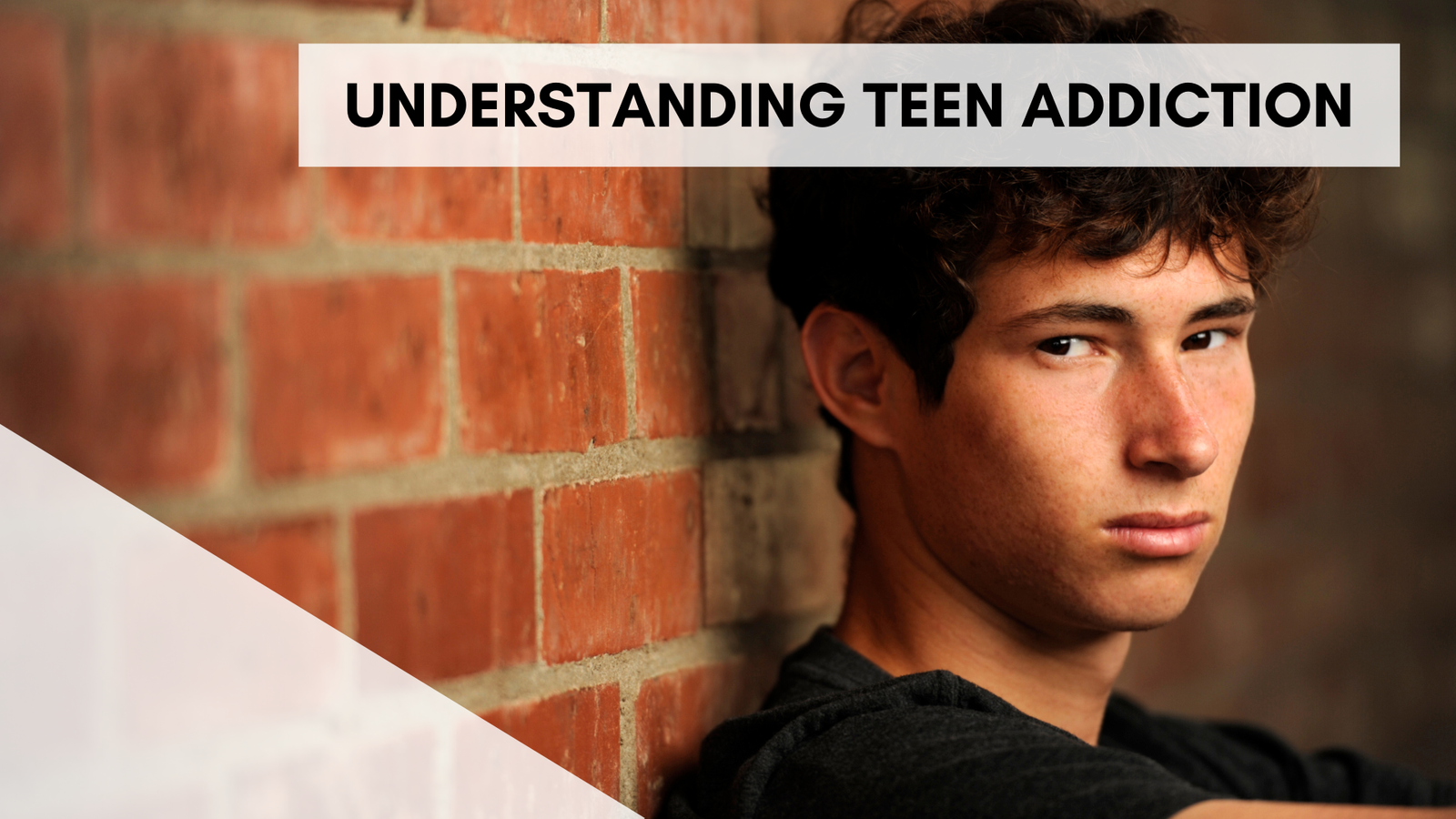

There’s no simple answer to why or how addiction starts. The truth is, drugs are all around us—sometimes even in our own homes. Kids can get hooked on things like prescription medications or alcohol that are just sitting in the medicine cabinet. Some teens start by misusing their ADHD meds or taking painkillers after an injury. Others begin by experimenting with cigarettes and alcohol on the weekends. Addiction doesn’t discriminate—kids from all kinds of families and financial backgrounds are at risk. In fact, having more money can mean easier access to substances.
Being a teenager has never been easy. It’s a time full of big emotions, identity questions, and vulnerability. The teenage brain is still developing—especially the part that helps with decision-making and impulse control, called the prefrontal cortex. Between the ages of 11 and 19, the brain is still under construction. Introducing drugs during this phase can throw things off balance in a major way.
When a teen uses drugs, it triggers the part of the brain that seeks pleasure—often called the “old brain.” This part can overpower the rational, problem-solving side. That’s why addiction can take hold so quickly during adolescence. It’s not just about bad choices—there’s a real, biological shift happening in the brain.
There are other factors that increase the risk of addiction too: a family history of substance abuse, mental health challenges, poor impulse control, or experiences of trauma, neglect, or abuse. But on the flip side, certain things help protect teens—like having supportive parents, strong coping skills, involvement in school or community activities, and the ability to manage emotions.
Let’s be real—most teens will experiment at some point. It doesn’t automatically mean they’re headed for addiction. But if you start to notice certain behaviors—like your child pulling away from you, keeping secrets, dropping grades, hanging with new friends, or showing signs like red eyes or sneaky behavior—it’s worth paying attention. Yes, teens can be weird and moody. That’s part of growing up. But there are red flags, and it’s okay to trust your gut.
As a parent, it’s easy to feel overwhelmed. We all just want to do right by our kids, but there’s no playbook. Sometimes we over-monitor, sometimes we step back too far. We might take away privileges, check their phones, or follow their location. And honestly? Most of us swing between trying to be hands-on and trying to give space. The balance is hard.
It’s important to remember that judging ourselves—or our kids, their friends, or other parents—doesn’t help. Addiction can happen in any family, and playing the blame game only gets in the way of healing.
What can help is being informed. Learn what you can about teen drug use and how addiction works. But above all, talk to your teen. If you can have a conversation about sex, you can have one about drugs. Let them know they can come to you, no matter what. Be a safe place, not a judge.
Think back to your own teen years. Remember how unsure and misunderstood you felt? Teens need guidance, but they also need to stumble sometimes. Overprotecting them can backfire. Taking away a phone might stop them short-term, but it doesn’t teach them how to handle life’s challenges. They need to know we’re in their corner, even when they push us away.
The best thing we can do? Be there. Show up. Keep the lines of communication open, and let them know they’re not alone.
Helpful Resources: