
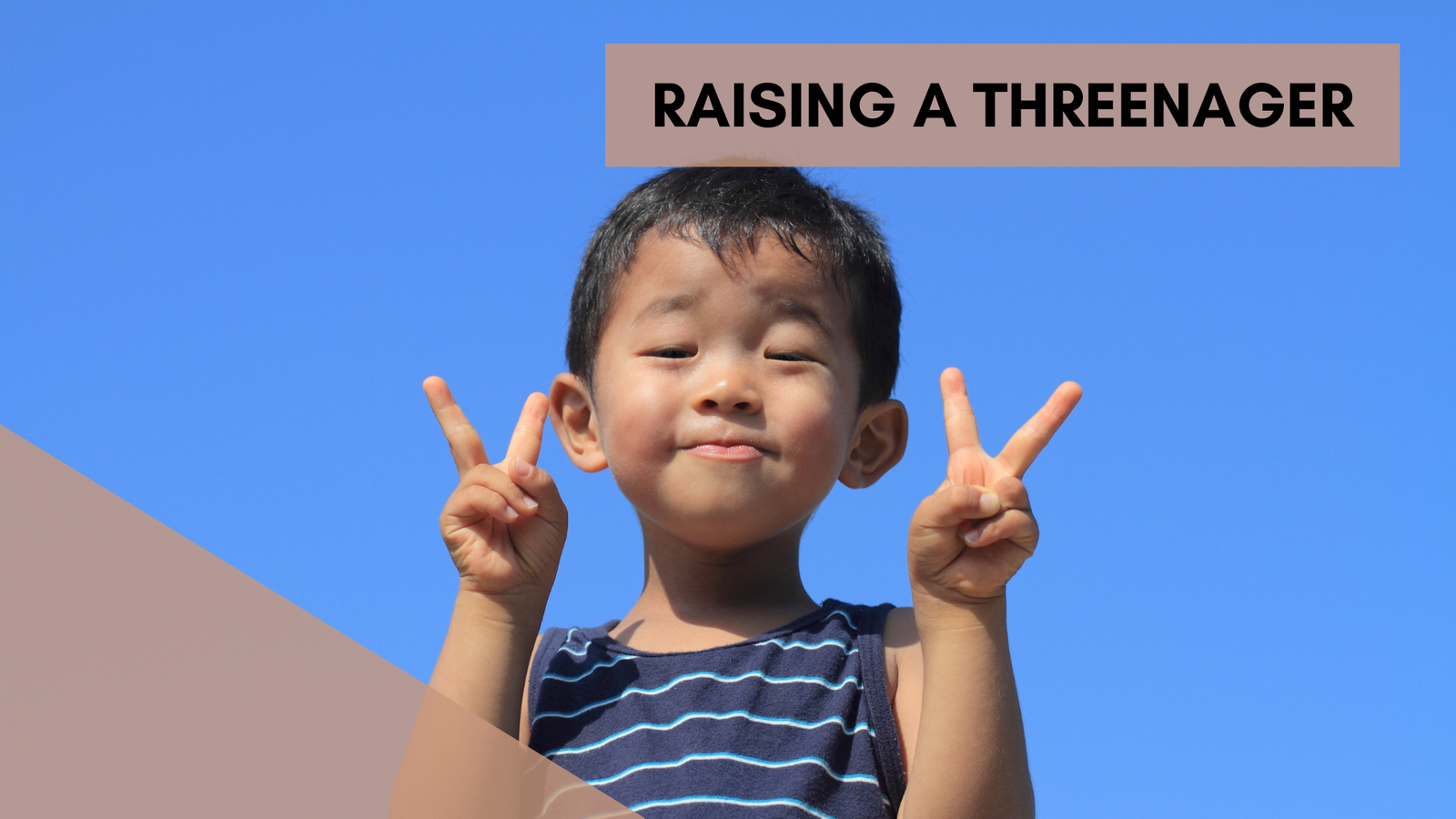

If you thought toddlerhood was full of surprises, just wait until your little one turns three. Welcome to the “threenager” stage—where the opinions are strong, the independence is louder, and the meltdowns can come out of nowhere. You’re not imagining it: your formerly sweet sidekick may suddenly seem like they’ve morphed into a tiny CEO, barking orders and staging emotional protests over snack options and sock choices.
You’re not alone—and no, you’re not doing it wrong.
What’s Going On with My Three-Year-Old?
Three is a big age. Your child is beginning to understand autonomy and control, but their emotional regulation hasn’t caught up with their desires. What looks like “bad behavior” is often just your child trying to communicate an unmet need, boundary confusion, or even plain old exhaustion.
Experts like Janet Lansbury and Dr. Becky Kennedy talk often about shifting how we see our kids’ behavior. They’re not giving us a hard time—they’re having a hard time. And that lens shift makes all the difference.
How to Handle the “Threenager” Phase (Without Losing Your Mind)
1. Pause Before You React
When your child is melting down because their banana broke in half “wrong,” take a breath. Remind yourself: This is developmentally normal. You’re not a bad parent. They’re not a bad kid.
2. Get Curious, Not Furious
Try to figure out what’s behind the behavior. Are they overtired? Overstimulated? Feeling powerless? Sometimes the answer is as simple as: they skipped their snack or missed a nap.
Here’s a way to respond:
“You’re really upset that your blanket isn’t on right. That’s frustrating. Can I help you fix it?”
Or, if they’re ignoring your request:
“I think you’re still in play mode, but I need you to help clean up. Want to race me to see who finishes first?”
3. Hold the Boundary—Gently but Firmly
Compassion doesn’t mean caving. Set the limit, but do it with empathy.
“I know you really want cookies, but we’re going to eat dinner first. You can help me pick which veggie goes on your plate!”
Consistency here is key. You’re showing them that their emotions are valid and that there are rules that don’t change—even when feelings run high.
4. Use Simple Tools to Reduce Power Struggles
- Make eye contact before giving instructions. Kids this age tune us out when they’re deep in play.
- Give transition warnings: “Five more minutes, then we clean up.” Use timers or visual cues.
- Let them choose when possible: “Red socks or blue ones?” Giving small choices helps them feel in control.
- Create routines they can see: Morning checklists or bedtime routines with pictures help reinforce predictability.
But What About Consequences?
This doesn’t mean you let everything slide. Kids still need to know where the lines are. But rather than jumping to punishments, focus on guiding them through the hard moment and offering tools to handle it better next time.
Punishment might stop the behavior in the short term, but it doesn’t teach the why. What we want is to raise kids who know how to self-regulate—not just comply to avoid getting in trouble.
The Bottom Line
The “threenager” phase is intense, but it’s also full of growth—for them and for us. Our preschoolers are figuring out who they are, how to navigate the world, and how to feel big feelings without being overwhelmed by them.
Your child is still your sweet, funny, lovable kid—they’re just also a little more opinionated now. And that’s okay.
So next time you’re faced with a sock meltdown or a sudden declaration of “You’re not the boss of me!”—take a breath. You’ve got this. They’re learning. And honestly, so are we.